
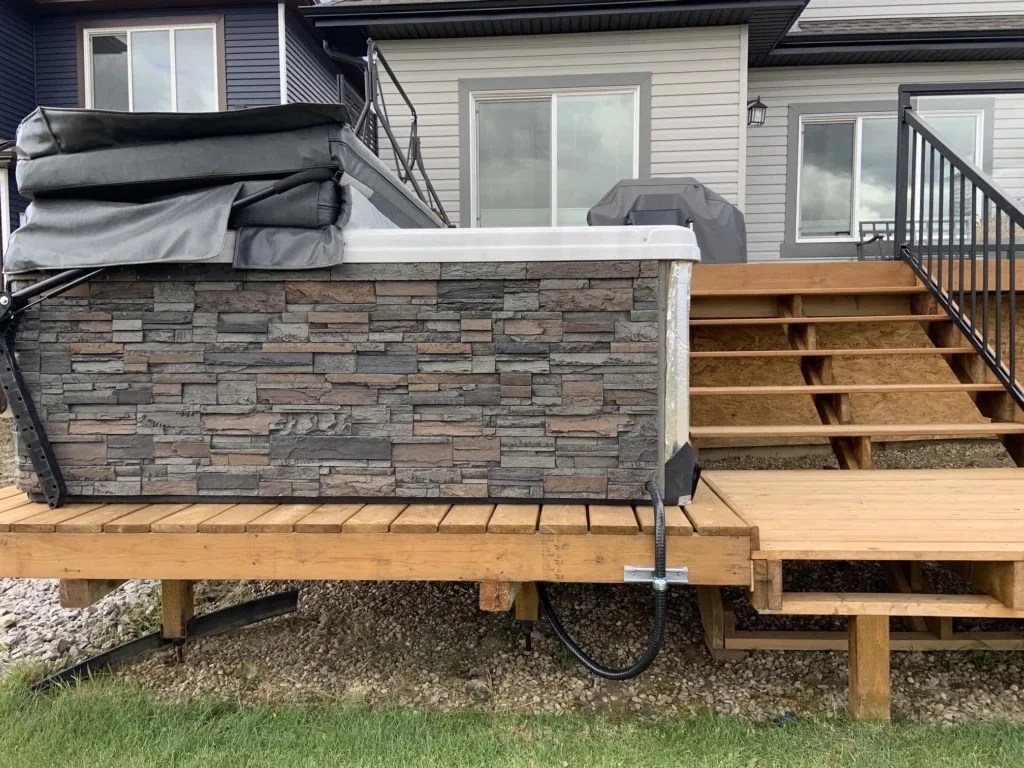
Installing a hot tub can turn an outdoor space into a comfortable place to relax year-round. However, proper electrical planning is essential before you begin installation. From checking power requirements to understanding safety regulations, homeowners should ask the right questions before hiring an electrician. Professional guidance helps prevent electrical hazards, unexpected expenses, and installation delays while ensuring the hot tub operates safely and efficiently.
Why Is Hiring a Qualified Electrician Important for Hot Tub Installation?
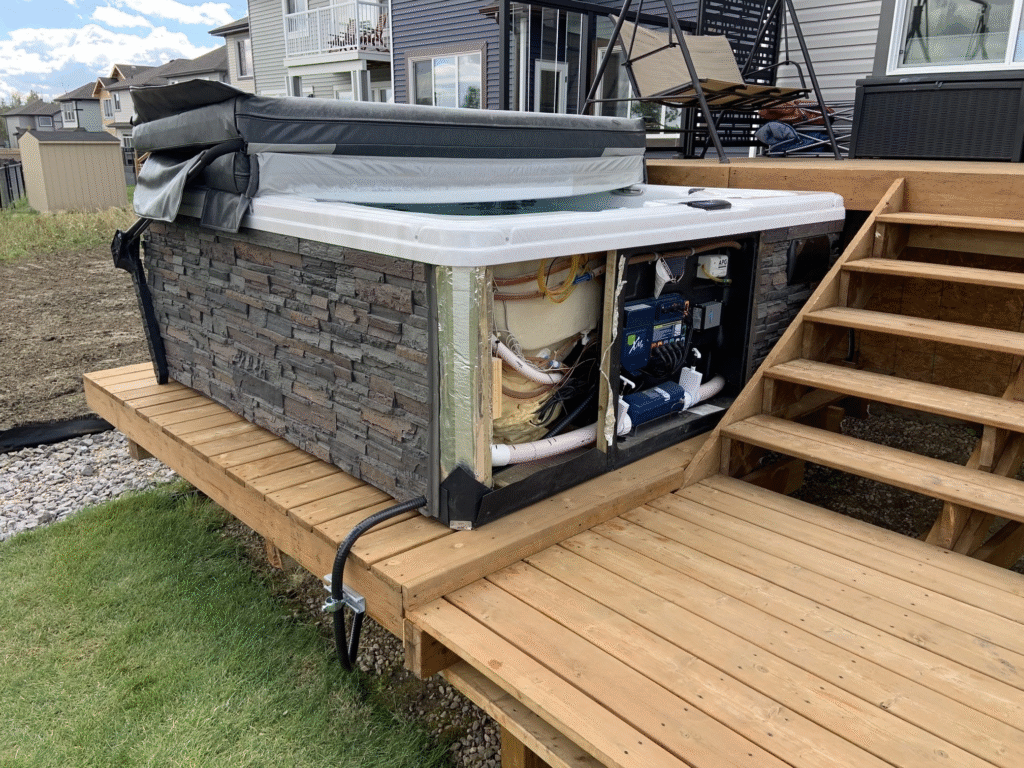
A hot tub requires a reliable electrical connection to power its heating system, pumps, jets, and controls. Unlike regular household appliances, many hot tubs operate near water and require dedicated circuits and specialized electrical protection. For homeowners planning hot tub installation in Edmonton, working with a qualified electrician helps ensure the electrical system meets the equipment manufacturer’s requirements and applicable safety regulations.
Professional hot tub installation services typically include evaluating the electrical panel, planning circuit connections, installing protective equipment, and testing the completed electrical work. Pro West Electrical provides electrical services for hot tub projects, including site assessments, wiring, permit coordination, and electrical safety testing.
Essential Questions to Ask Before Installing a Hot Tub
Does My Electrical Panel Have Enough Capacity?
One of the first questions to ask is whether the existing electrical panel can support the additional power demand.
Larger models may need a dedicated 240-volt circuit, while some smaller models use a suitable 120-volt supply. Before beginning hot tub installation in Edmonton, an electrician should assess the home’s available electrical capacity.
The assessment may include:
- Checking the electrical panel’s existing capacity and condition.
- Reviewing current household electrical loads.
- Determining the hot tub’s voltage and amperage requirements.
- Identifying whether a panel or service upgrade is necessary.
- Confirming the appropriate circuit protection.
What Type of Electrical Circuit Does My Hot Tub Need?
Different hot tub models have different electrical specifications. The correct circuit depends on the manufacturer’s installation instructions and the equipment’s electrical rating. Many permanent hot tub installations require a dedicated circuit that supplies electricity directly to the spa equipment.
Are Electrical Permits Required Before Installation?
Electrical permits are an important part of safe and compliant installation work.
In Edmonton electrical permits are required for hot tub electrical installations. Depending on the property and project details, additional development, building, or trade permits may also apply. Before scheduling hot tub installation in Edmonton, homeowners should ask who will arrange the necessary electrical permits and coordinate inspections.
Important questions include:
- Which permits are required for the proposed installation?
- Who is responsible for submitting permit applications?
- When should electrical inspections take place?
- Will the electrician coordinate the inspection process?
- What documentation will be provided after completion?
The work must comply with Alberta’s applicable electrical safety requirements and the adopted Canadian Electrical Code.
How Will You Protect the Hot Tub Against Electrical Shock?
Water and electricity require careful safety planning. Ground faults, damaged electrical components, and improper wiring can create serious hazards.
A GFCI monitors electrical current and disconnects the circuit when certain fault conditions occur, reducing the risk of electric shock. During professional hot tub installations, electricians should assess several important protective measures.
Key Electrical Safety Considerations
- Correct grounding and bonding connections.
- Suitable outdoor-rated electrical components.
- Code-compliant electrical disconnect arrangements.
Where Should the Hot Tub Be Positioned?
Choosing the correct location involves more than appearance and convenience. Hot tub placement can affect electrical wiring, equipment access, drainage, and overall installation costs. For hot tub installation in Edmonton, consider outdoor conditions and surrounding electrical infrastructure during the planning stage.
Homeowners should consider whether the selected area provides:
- Adequate access for electrical installation and maintenance.
- Safe distances from overhead electrical equipment.
- Appropriate drainage and a stable supporting surface.
- Suitable access for future servicing.
- Enough clearance for safe operation.
The City of Edmonton provides specific clearance requirements for electrical wires near hot tubs and private swimming pools. The electrician should verify the current rules for the property.
An early site assessment can identify potential problems before equipment delivery.
How Much Will the Electrical Installation Cost?
Installation costs vary depending on the existing electrical system, hot tub specifications, and distance between the electrical panel and the proposed location. Before selecting hot tub installation services, homeowners should request a written estimate explaining the expected work.
What Should Be Included in the Installation Estimate?
- Electrical panel assessment.
- Dedicated circuit installation.
- Wiring, conduit, and protective components.
- GFCI protection and electrical disconnect equipment.
- Permit and inspection expenses.
- Potential electrical panel upgrades.
- Labour and final system testing.
Ask whether additional expenses could arise if the electrician discovers outdated wiring or insufficient electrical capacity.
How Long Will the Installation Take?
The electrical installation timeline depends on the project’s complexity. Straightforward hot tub installations may require less on-site electrical work than projects involving substantial wiring changes, underground cable routing, or panel upgrades.
When arranging hot tub installation in Edmonton, homeowners should coordinate the electrician’s schedule with the hot tub supplier and any contractors preparing the supporting surface.
How Will the Electrical Components Handle Winter Conditions?
Edmonton experiences cold winters, snowfall, and changing outdoor temperatures. Outdoor electrical equipment must be suitable for the environmental conditions it will encounter.
A qualified electrician should select equipment and installation methods appropriate for moisture, temperature changes, and outdoor exposure. Homeowners should ask whether the electrical installation allows safe access to necessary components during winter and how to recognise possible electrical problems.
What Testing Will Be Completed Before the Hot Tub Is Used?
During hot tub installation in Edmonton, homeowners should ask the electrician to explain the final testing process.
Important Electrical Testing Procedures
- Verifying the electrical supply voltage.
- Checking electrical connections.
- Confirming grounding and bonding arrangements.
- Checking circuit and disconnect operation.
- Confirming required inspection steps are complete.
The electrician should also explain any important safety precautions and maintenance considerations.
Do You Provide a Workmanship Warranty and Installation Documentation?
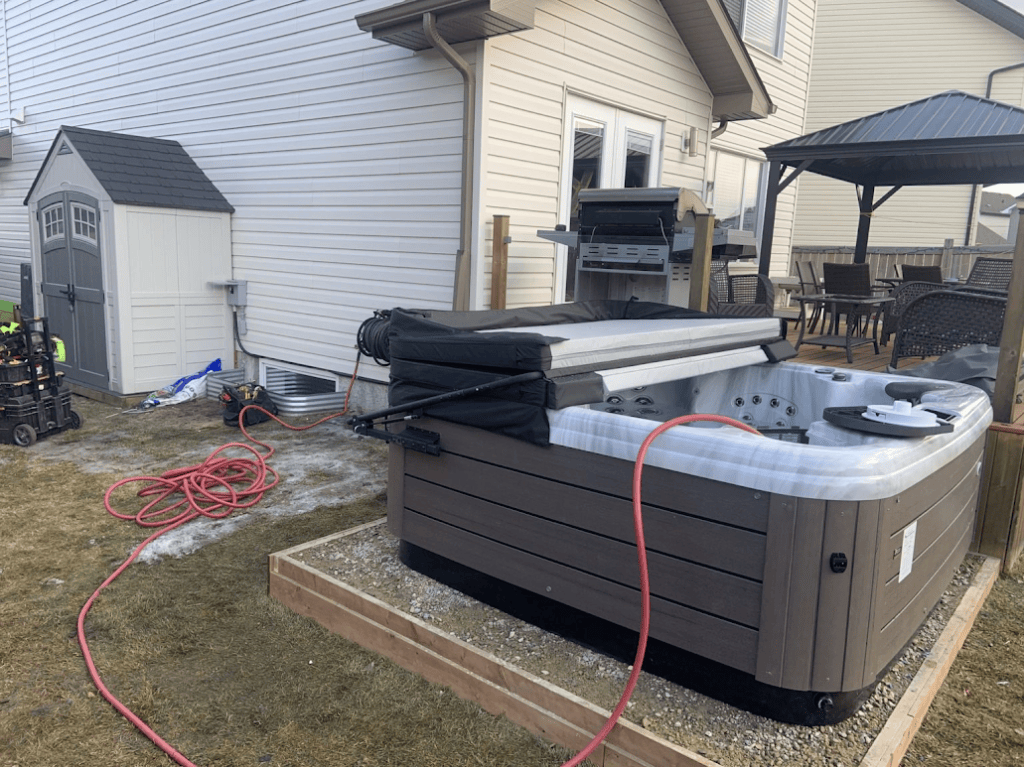
A warranty should explain what is covered, how long the coverage lasts, and whether any exclusions apply. Homeowners should also request documentation associated with the completed installation, including applicable inspection records and equipment information. Pro West Electrical states that its hot tub electrical installation work includes a one-year workmanship warranty.
Frequently Asked Questions
Do All Hot Tubs Require a 240-Volt Electrical Connection?
No. Smaller hot tubs may use 120 volts, while larger models often require a dedicated 240-volt circuit.
Is a Permit Required for Hot Tub Installation in Edmonton?
Yes. Electrical permits are required, and additional permits may apply depending on the installation.
Can an Existing Outdoor Outlet Be Used for a Hot Tub?
Only if it meets the manufacturer’s electrical requirements and applicable safety codes. An electrician should verify its suitability.
How Much Electricity Does a Hot Tub Use During Winter?
Electricity usage depends on the hot tub’s size, insulation, heating settings, and outdoor temperature.
How Long Does Electrical Work for a Hot Tub Usually Take?
Simple installations may take a few hours, while panel upgrades or extensive wiring can take longer.
Conclusion
Installing a hot tub involves important decisions about electrical capacity, circuit requirements, safety protection, permits, and outdoor equipment placement. Asking detailed questions before starting the project helps homeowners understand the work, manage expenses, and reduce avoidable installation problems. For homeowners considering hot tub installation in Edmonton, a professional electrical assessment is a practical first step toward safe, dependable operation.
Planning a hot tub installation in Edmonton? Get Directions to Pro West Electrical on Google Maps and explore professional electrical installation services in nearby areas.

