
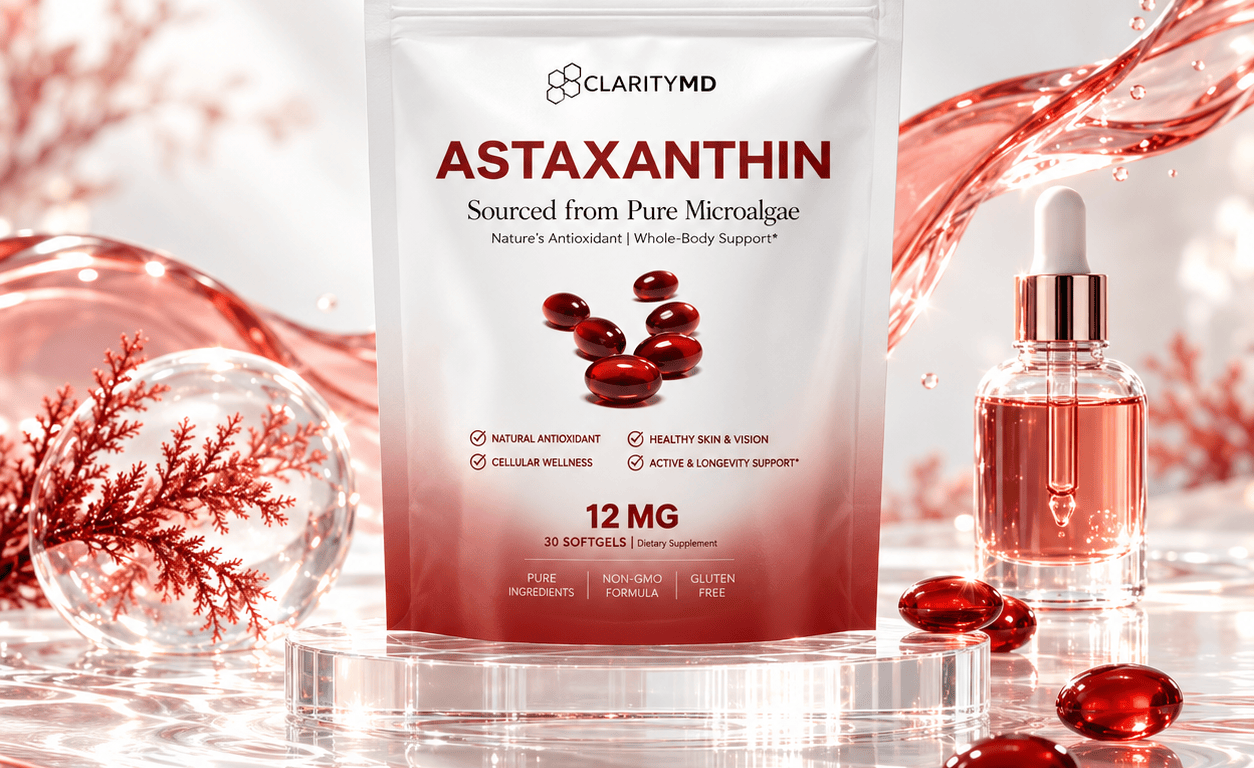
Natural antioxidants continue to attract attention among adults interested in maintaining skin appearance, visual comfort, and overall wellness. Astaxanthin, a carotenoid derived primarily from microalgae, has become a subject of nutritional research. ClarityMD offers an astaxanthin supplement for consumers exploring antioxidant options. Understanding scientific findings, possible limitations, and product quality can help individuals make more informed decisions.
Understanding Natural Astaxanthin and Its Antioxidant Properties
Astaxanthin is a naturally occurring carotenoid that gives certain marine organisms, including salmon and shrimp, their reddish coloration. People looking to buy antioxidant supplements may find astaxanthin products derived from Haematococcus pluvialis, a freshwater microalga commonly used as a natural source of this compound.
Researchers are interested in astaxanthin because its molecular structure allows it to interact with reactive molecules involved in oxidative stress.
How Does Astaxanthin Interact With Oxidative Stress?
Oxidative stress occurs when reactive molecules exceed the body’s ability to manage them through protective mechanisms.
Laboratory research suggests astaxanthin can interact with free radicals and influence certain cellular processes. However, antioxidant activity observed in laboratory experiments does not automatically translate into measurable health improvements in humans.
Consumers researching clarity md should distinguish established scientific findings from preliminary laboratory observations.
Why Natural Sourcing Matters
Microalgae-derived astaxanthin is widely used in dietary supplements. Its concentration, extraction method, and formulation can affect the finished product.
Consumers exploring astaxanthin for eye health should review ingredient sourcing information and scientific evidence rather than assuming naturally derived ingredients automatically provide better results or greater effectiveness.
What Does Research Say About Astaxanthin for Skin Health?
Skin is regularly exposed to environmental influences, including sunlight, pollution, and changing weather conditions. Researchers have investigated whether dietary antioxidants influence certain characteristics of healthy skin.
What Does Research Say About Skin Hydration and Elasticity?
Clinical studies have explored astaxanthin supplementation in relation to skin moisture, elasticity, and appearance.
A 2021 systematic review and meta-analysis reported improvements in skin hydration and elasticity across pooled studies. However, it did not find a statistically significant reduction in wrinkle depth. These findings remain limited by sample size and study differences.
Why a Complete Skin Care Routine Still Matters
Supplements cannot replace daily skin protection practices.
Broad-spectrum sunscreen, balanced nutrition, adequate sleep, and appropriate moisturizing products remain important components of healthy skin care. People considering astaxanthin supplements from ClarityMD should view antioxidant supplementation as a possible addition to healthy routines rather than a replacement for established skin care practices.
Astaxanthin for Eye Health: What Does Research Show?
Interest in astaxanthin for eyes has increased as researchers investigate visual fatigue, focusing performance, and oxidative processes involving eye tissues.
What Do Studies Say About Digital Eye Fatigue?
Screen-related eye discomfort is common among individuals who spend extended periods using computers, tablets, and smartphones.
A randomized clinical study combining astaxanthin, lutein, and anthocyanins reported improvements in selected measures of visual function. However, because multiple ingredients were involved, researchers cannot determine astaxanthin’s independent effects from this study.
Research remains insufficient to confirm that astaxanthin consistently improves visual performance across different populations.
Can Astaxanthin Replace Professional Eye Care?
No. Astaxanthin is not an established treatment for cataracts, glaucoma, retinal disorders, or vision loss.
Adults interested in astaxanthin for eye health should continue regular eye exams and follow professional recommendations for managing visual symptoms.
Taking screen breaks, adjusting lighting, and maintaining appropriate viewing distances may also help improve everyday visual comfort.
Exploring Astaxanthin Research Beyond Skin and Eye Health
Although skin and eye research receives considerable attention, scientists are also examining astaxanthin in other physiological systems.
Astaxanthin and Kidney Health: What Does Research Suggest?
Studies on astaxanthin and the kidneys have examined oxidative stress, inflammatory pathways, and cellular responses in experimental models.
Much of this research remains limited to laboratory and animal investigations.
Human clinical evidence remains insufficient to conclude that astaxanthin improves kidney function or prevents kidney disease.
Individuals managing kidney conditions should seek medical advice before using new dietary supplements.
Astaxanthin and Lung Health: Current Research
Research on astaxanthin for lungs has examined its potential effects on oxidative stress and cellular activity in respiratory tissues. Although experimental findings support further investigation, available evidence does not establish meaningful respiratory benefits in humans.
Astaxanthin should not replace medical treatment for asthma, chronic obstructive pulmonary disease, or other breathing disorders.
Consumers exploring ClarityMD supplements should consider these research limitations when reviewing health-related product information.
How to Evaluate Natural Astaxanthin Supplements
Understanding product quality matters, especially when consumers decide to buy antioxidant supplements for everyday nutritional use.
How to Check Ingredient Quality and Dosage
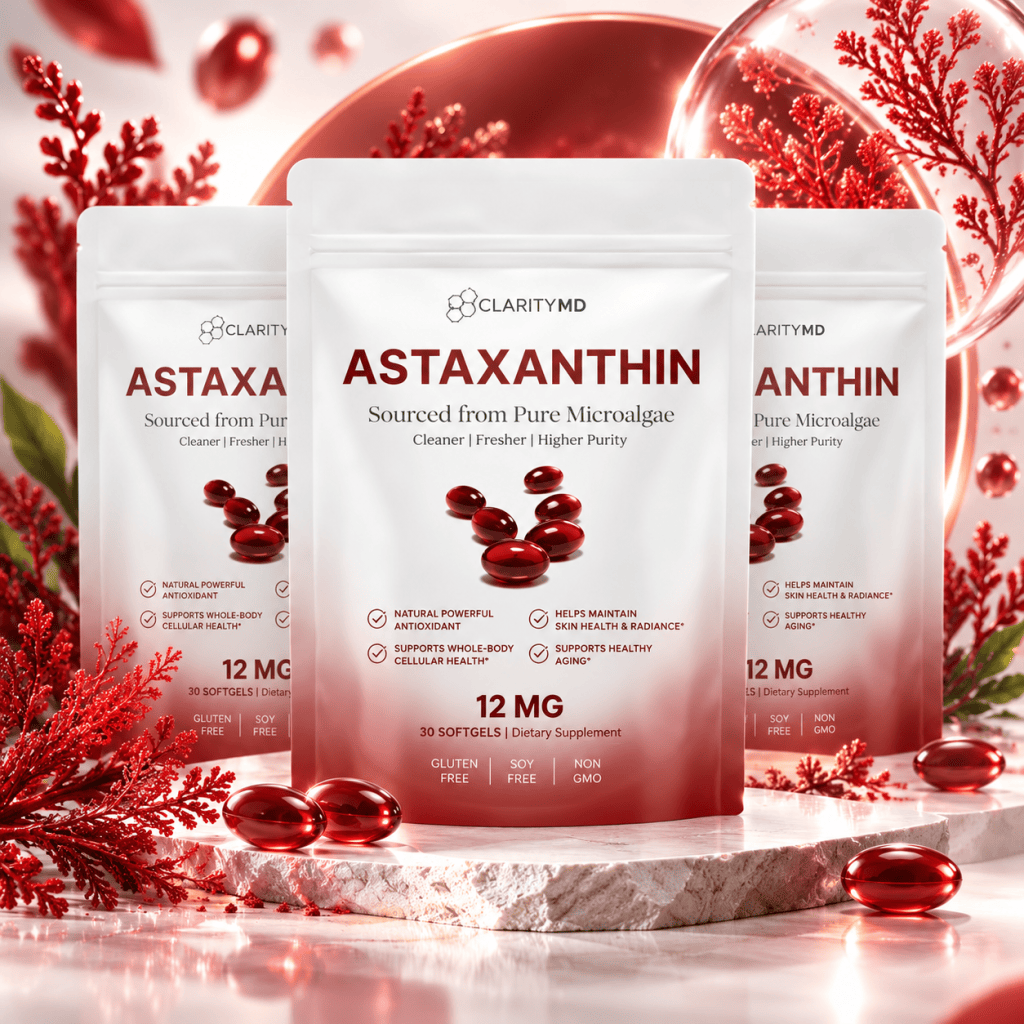
The ClarityMD product listing describes a 12mg astaxanthin softgel intended for antioxidant supplementation.
Before choosing a product, check:
- Ingredient origin and concentration
- Serving size and label instructions
- Capsule materials and additional ingredients
- Allergen information
- Available manufacturing and testing documentation
When comparing astaxanthin supplements, consumers should understand that a higher concentration does not automatically guarantee better results, as individual needs and responses may vary.
Frequently Asked Questions
What makes natural astaxanthin different from other antioxidants?
Astaxanthin belongs to the carotenoid family and has a distinctive molecular structure. Laboratory studies have investigated its antioxidant activity, but comparisons with other antioxidants do not establish that it produces superior health outcomes in humans.
Can astaxanthin improve skin hydration?
Some human studies suggest possible improvements in skin moisture and elasticity. However, findings vary, and larger, well-designed trials are needed to understand the consistency and clinical significance of these effects.
Is astaxanthin for eyes useful for people who work on computers?
Research has examined visual fatigue and selected measures of focusing. While preliminary findings are interesting, astaxanthin has not been established as a reliable treatment for computer-related eye discomfort.
Does astaxanthin for kidneys improve kidney function?
Clinical evidence is insufficient to show improved kidney function in humans. People with existing kidney conditions should consult their healthcare providers before starting supplementation.
Can astaxanthin for lungs support respiratory function?
Experimental research has explored respiratory-related antioxidant activity. However, reliable human evidence is insufficient to recommend astaxanthin for preventing or treating lung conditions.
What should consumers check before purchasing astaxanthin?
Consumers should examine the ingredient source, serving strength, manufacturing standards, independent testing information, and product instructions.
Conclusion
Natural astaxanthin remains an interesting research topic related to skin appearance, visual comfort, and cellular antioxidant activity. Although selected studies suggest potential benefits, many findings require further investigation before reliable health recommendations can be established.
ClarityMD provides an option for adults exploring astaxanthin supplementation. Understanding available evidence, choosing transparent products, and seeking professional advice can support responsible wellness decisions.
Want more information about natural astaxanthin products? Find ClarityMD on Google Maps to check location details and get directions before planning your visit.

